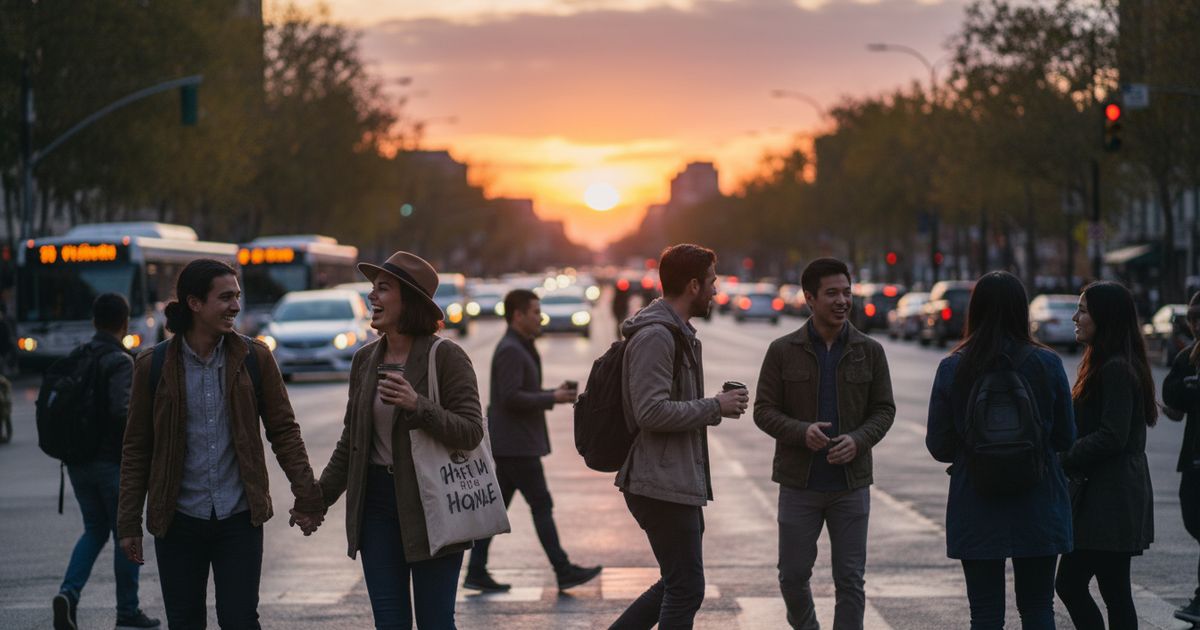
Cities are built around movement. Workers, students, deliveries and visitors all need to get somewhere, and for decades the default answer has been one person in one car. As populations and commuter regions grow, that approach puts pressure on roads, parking and budgets. Carpooling will not solve every transportation problem, but it is one of the few tools that makes better use of what a city already has. This article looks at the city-level picture and why shared mobility deserves a place in the plan.
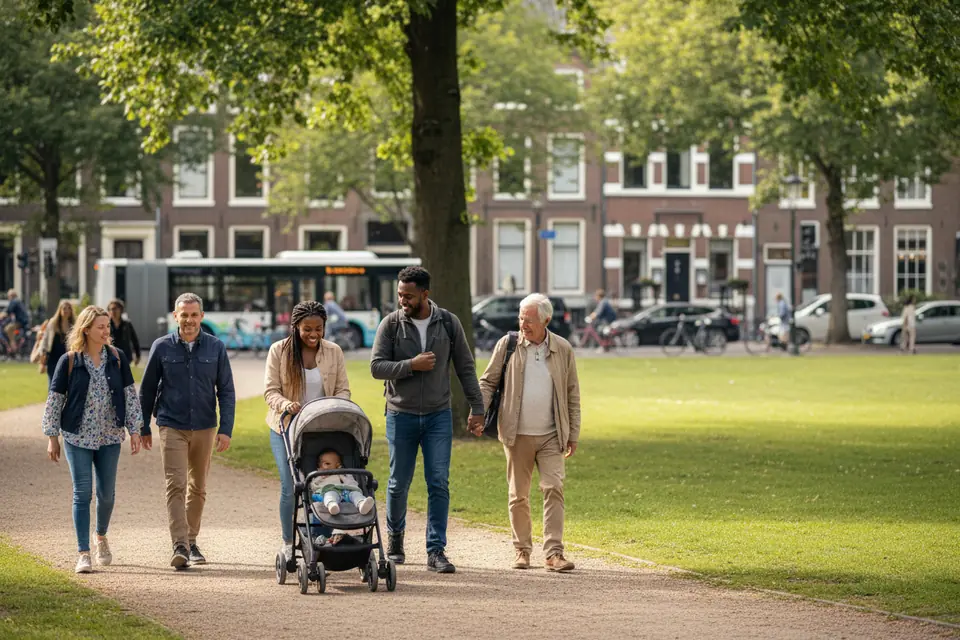
The problem with one person per car
Most cars on the road at rush hour carry only the driver. Each of those cars takes up lane space, needs a parking place at both ends of the trip and burns fuel along the way. A typical car has several seats, so most of the capacity that already exists on the road goes unused.
Because the empty seats are already there, filling them is a different kind of solution from building something new. A road lane is expensive to add and hard to fit into a built-up area. An empty seat that someone else uses costs nothing to build.
Congestion and the limits of road building
When roads get crowded, the common response is to widen them. Many transportation researchers have noted that added capacity can fill up again as more people choose to drive, so wider roads may not bring lasting relief. They also cost a great deal, take years and often cannot be built at all in dense areas where land is limited.
Moving more people in fewer vehicles attacks the same problem from the other side. A road carries the same number of cars, but each car carries more people. Even a modest shift in the share of shared trips can reduce the pressure at the busiest hours, which is when congestion is worst.
Parking is a hidden cost for cities and employers
Parking is easy to overlook because it is so common. Yet every parking space needs land, construction and upkeep. In busy districts, land used for parking is land not used for housing, shops or green space. Employers often provide parking as a benefit, and the cost of those spaces is built into their budgets.
When coworkers share rides, fewer spaces are needed for the same number of people. Some employers use that to offer preferred parking for carpools or to avoid building additional lots. If you are interested in that angle, our guide on how to start a workplace carpool covers how a group at one workplace can get going.
Public health, air quality and noise
Traffic affects the people who live near busy roads, not only those inside the cars. Vehicle exhaust contributes to local air pollution, and traffic noise affects neighborhoods near main routes. Fewer vehicles for the same number of travelers can help lower both, although the size of the effect depends on how many trips are shared and where.
Transportation is also a major source of greenhouse gas emissions in the United States, according to the EPA. Shared trips do not remove emissions entirely, but they spread the emissions of one trip across more people. For a closer look at the arithmetic, see our explainer on the environmental impact of carpooling.
Where carpooling fits next to transit, biking and walking
Good transportation systems offer several options, because no single option works for everyone. Public transit is efficient on busy corridors. Walking and cycling suit shorter trips. Carpooling fills the gaps where transit is thin or where schedules and destinations do not line up, such as suburban commutes, shift work and trips to employment centers away from transit lines.
A few things make carpooling work better at the city scale:
- Easy matching. People need a simple way to find others going the same direction at the same time.
- Trust and safety. Riders and drivers need to feel comfortable sharing a car with someone new.
- Fair cost sharing. Costs should be split fairly, without turning a shared trip into a business.
- Supportive policy. Features like carpool lanes and parking incentives, where they exist, make sharing more attractive.
How individual choices add up
It is easy to feel that one person's commute does not matter to a whole city. But city traffic is simply the sum of individual trips. A neighborhood where a few households share a ride behaves differently from one where nobody does, and workplaces with active carpools need fewer spaces.
ShareSpace Carpool is designed around that idea. Drivers offer seats on trips they are already making, and riders search for matching rides. Prices are capped at the shared cost of the trip, so carpooling stays about splitting expenses. Verified members, in-app chat and a ride start code help people feel comfortable riding with someone new. To see how those safeguards fit together, read our carpool safety checklist.
Frequently asked questions
Why is carpooling considered sustainable?
It uses vehicles and roads that already exist more fully. Fewer cars are needed for the same number of travelers, which can reduce fuel use, emissions and demand for parking.
Can carpooling replace public transit?
No, and it is not meant to. Transit works well on busy routes, while carpooling helps in places and at times where transit is limited. The two complement each other.
Does carpooling only help in large cities?
Not at all. Suburbs, college towns and employment centers often have long commutes and little transit, which can make shared rides especially useful there.
Cities change slowly, but commuting habits can shift one trip at a time. If you travel a route regularly, you can try ShareSpace Carpool to find a ride, or to offer open seats to neighbors and coworkers heading the same way.
Ready to carpool?
Download ShareSpace Carpool, free on iPhone and Android.