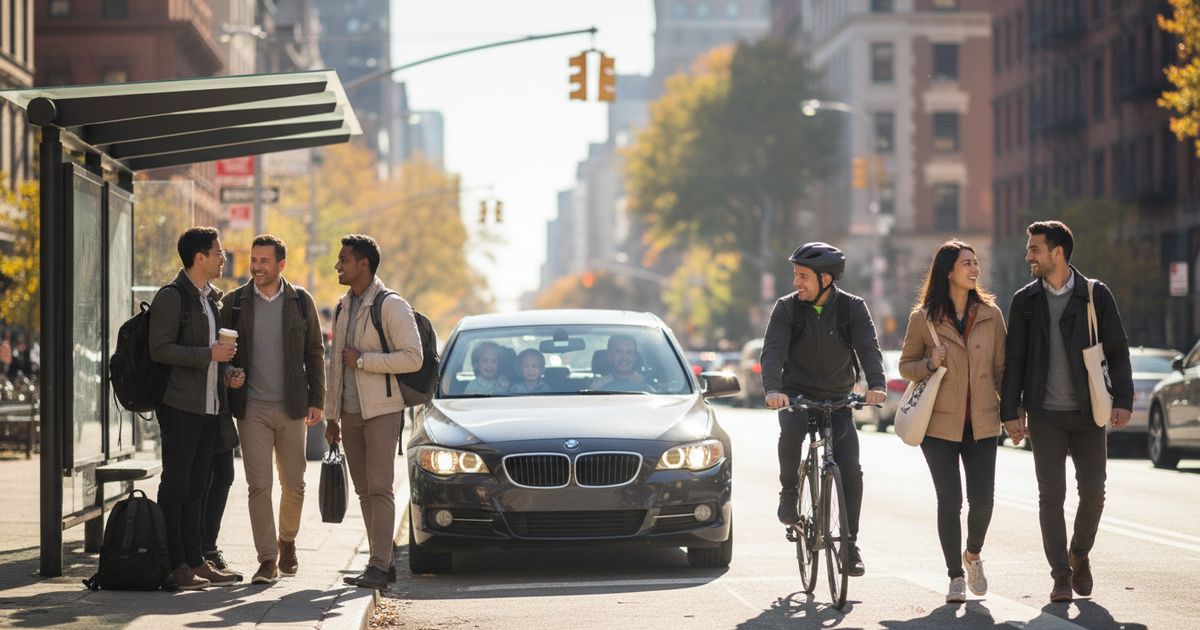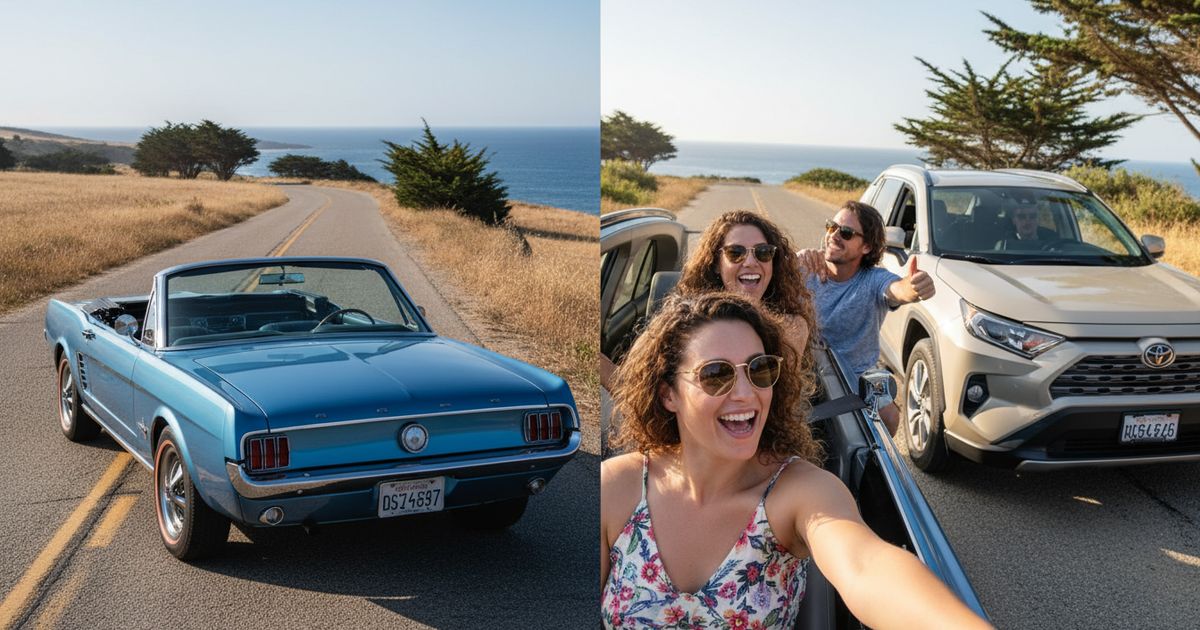
Should you carpool or drive yourself? The honest answer is that both have a place. Driving alone is simple and gives you full control. Carpooling can cost less and cut the stress of the drive, but it asks you to coordinate with other people. This post compares the two across cost, time, flexibility, stress, safety and the trade-offs, including the situations where driving your own car is the better call. Use it to decide which fits your week, not to be talked into one side.
Cost: sharing versus carrying it all
A solo commute means you carry every cost: fuel, parking, tolls, maintenance, insurance and depreciation. Carpooling divides at least some of those among the people in the car. On ShareSpace Carpool, a rider pays a price per seat that is capped to the shared cost of the trip, and a driver recovers part of the cost of a drive they were making anyway. You can read how that works in carpool cost sharing explained.
Fairness check: the saving is not automatic. If you already have a cheap commute, free parking and a fuel-efficient car, the gap may be small. If you pay for downtown parking or drive a long way, the gap can be larger. Run your own numbers before deciding.
Time: door to door versus coordinated
Driving alone is usually the faster way to leave exactly when you want. Carpooling adds some coordination: a fixed pickup point, a departure time that works for two or more people, and possibly a small detour. In return, some routes may allow high-occupancy vehicle lanes, though rules and hours vary by location, so check local signage and regulations. In the app, each result card shows the departure time and how far you walk to pickup and from drop-off, so you can weigh the time cost before you book.
Flexibility: the real trade-off
This is where driving your own car wins most clearly. You can leave early, stay late, run an errand or change plans at the last minute. A carpool depends on another person's schedule, and it works best when both sides have regular hours. Some tools soften this:
- Search by time and sort results by earliest, cheapest or closest.
- Book only the stretch of the route you need.
- Set up a daily repeat for a fixed commute.
- Cancel before the ride starts and have your payment returned to your wallet.
Still, if your hours change every day or you often need a car midday, a pure carpool routine may be frustrating. A mix is often more realistic, as we describe in weekly commute planning with carpools.
Stress and comfort
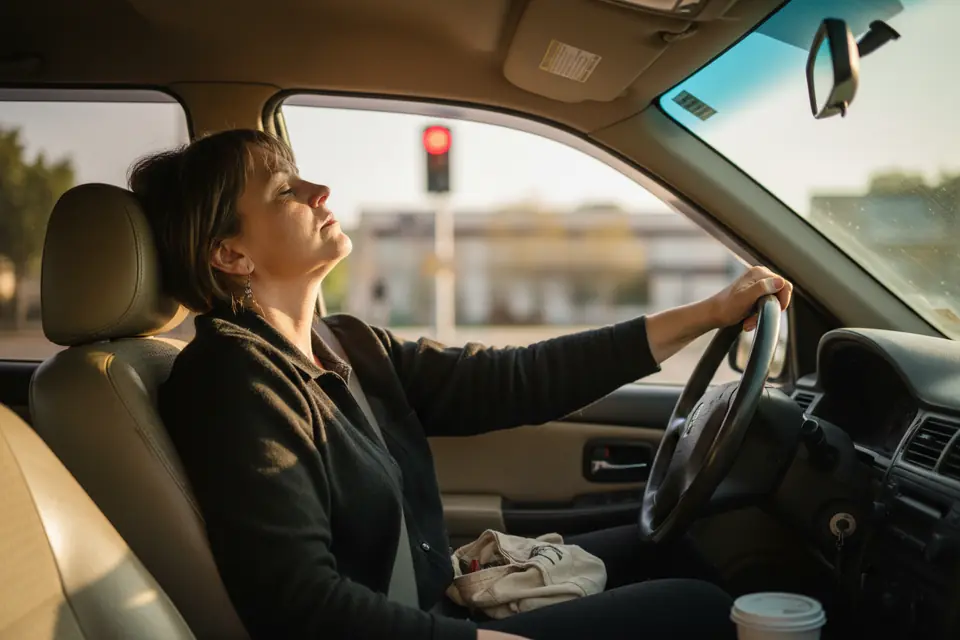
Driving alone means you control the music, the temperature and the route, and nobody else is in your space. That privacy is worth a lot to many people. On the other hand, driving in traffic takes attention, and parking can add its own stress. As a passenger, you can rest, read or catch up on messages. As a driver in a carpool, you share the driving duty across days if you set up a rotation, or you simply have company on the road. Neither is better for everyone. It depends on whether you value solitude or relief from the wheel more.
Safety and trust
Two different questions are worth separating. The first is road safety, which depends mainly on the driver, the vehicle and the conditions, whether you carpool or not. The second is personal safety with people you do not know. That one is specific to carpooling, and it is why trust features matter. ShareSpace Carpool offers verified members, ratings, in-app chat that does not require sharing your phone number, and a ride start code that confirms a rider is in the right car. Check a driver's rating and verified badge before you book. No feature removes all risk, so use your judgment and see our carpool safety checklist.
When driving solo is the better choice
- Your schedule is unpredictable or changes at short notice.
- You need your car during the day for work or errands.
- You carry equipment, or you travel with children, pets or large items.
- No one offers a ride on your route at your time.
- You need quiet or privacy, for example to take calls.
When carpooling makes more sense.
- You have a regular commute at similar times each day.
- Parking or fuel costs are a real burden.
- You would rather not drive every day.
- You live or work near others traveling the same way, such as coworkers.
If a workplace group sounds appealing, how to start a workplace carpool can help.
Frequently asked questions
Is carpooling cheaper than driving alone?
It often can be, particularly on longer commutes or where parking is expensive, but it depends on your situation. Compare your own costs with the price per seat shown in the app.
Can I carpool some days and drive other days?
Yes. Many people carpool for a regular commute and keep their car for days when they need flexibility. There is no requirement to ride every day.
Is carpooling safe?
No method of travel is risk free. ShareSpace Carpool adds verified members, ratings, in-app chat and a ride start code to support trust, and you can check these details before you book.
The simplest way to decide is to try it on one route. Download ShareSpace Carpool, search for your usual trip, and see whether a ride fits. It is free to download, and you only pay when you book a seat.
Ready to carpool?
Download ShareSpace Carpool, free on iPhone and Android.